
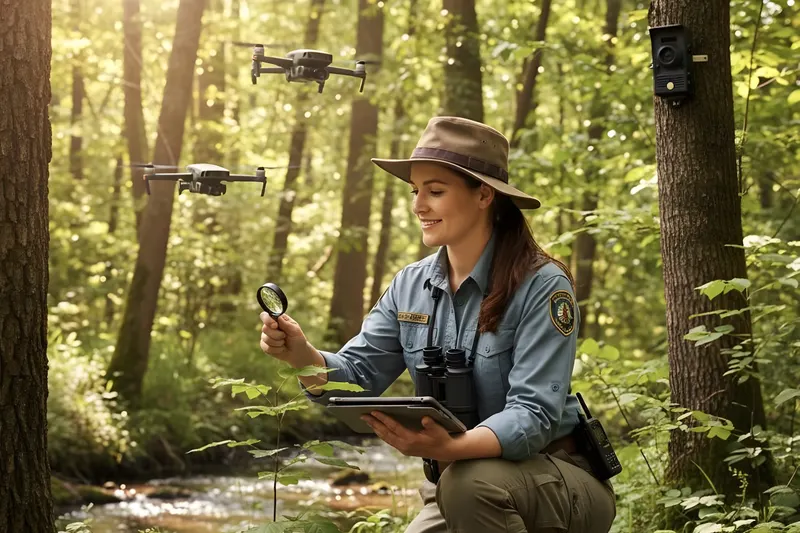
Equipment for Field Camps & Remote Posts
Communications, power, weather instruments and safety equipment for camps and posts working outside mobile coverage.
What the work needs
A camp is a power and communications problem first
Everything else in a remote camp depends on two things working: people can talk, and batteries get charged. Get those wrong and the thermal monocular, the GPS and the camera traps all end up in a cupboard.
Coverage is decided by terrain, not by radio wattage. A repeater on the right ridge does more than any handheld upgrade, and the siting question is worth answering before the equipment question. Frequency allocation through WPC applies and we take you through it.
Solar charging sized for the actual daily draw — radios, headlamps, camera-trap batteries — is the difference between a camp that runs and one that sends somebody to town every week. Weather instruments earn their place here too, because fire-season decisions get made locally.
Supplied for this work
The 4 categories this work keeps coming back to
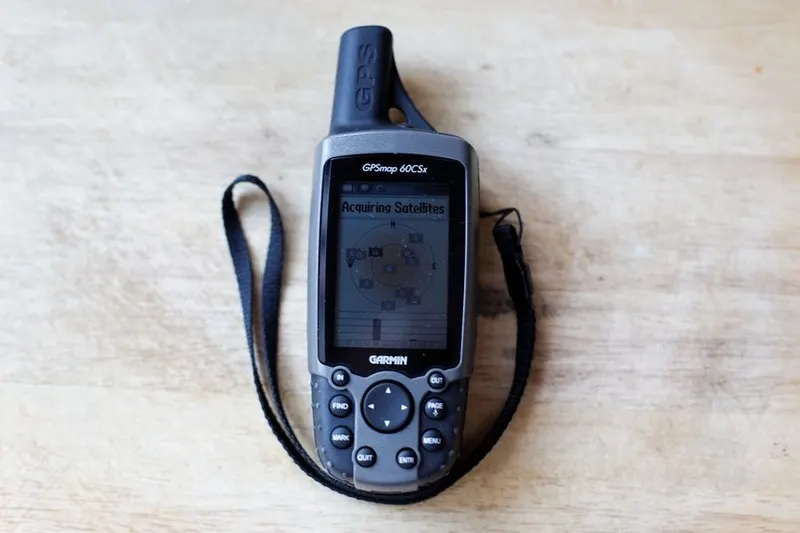 Handheld GPS & NavigationGNSS handhelds, mapping receivers and field data collectors for survey and patrol.Ask for options
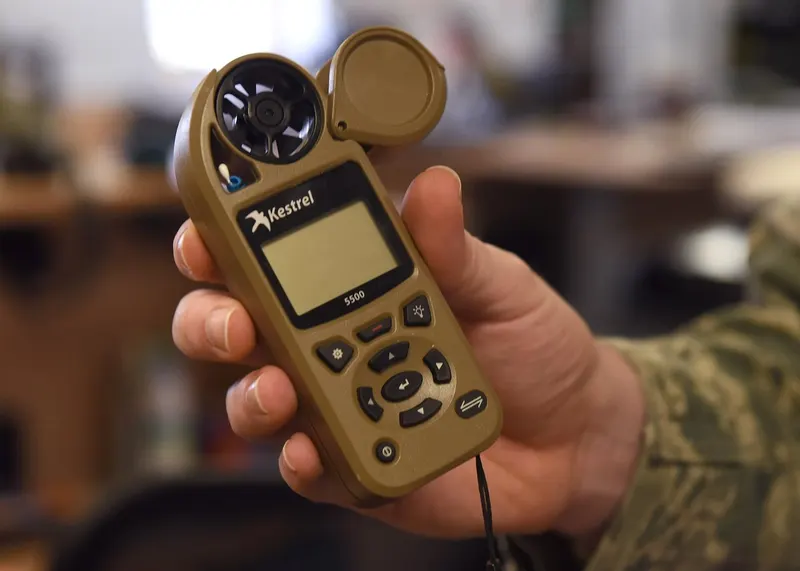 Weather & Environmental InstrumentsHandheld meters, ultrasonic sensors and data loggers.Ask for options
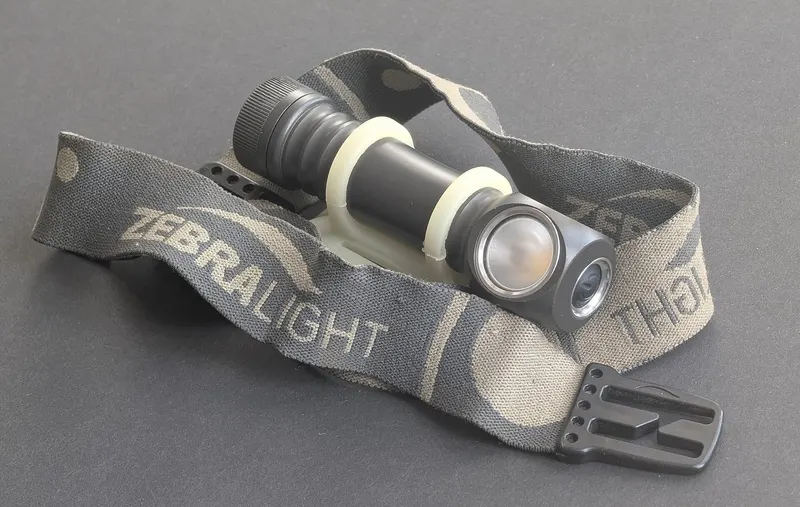 Safety & Tactical EquipmentPatrol gear, protection and field safety equipment.Ask for options
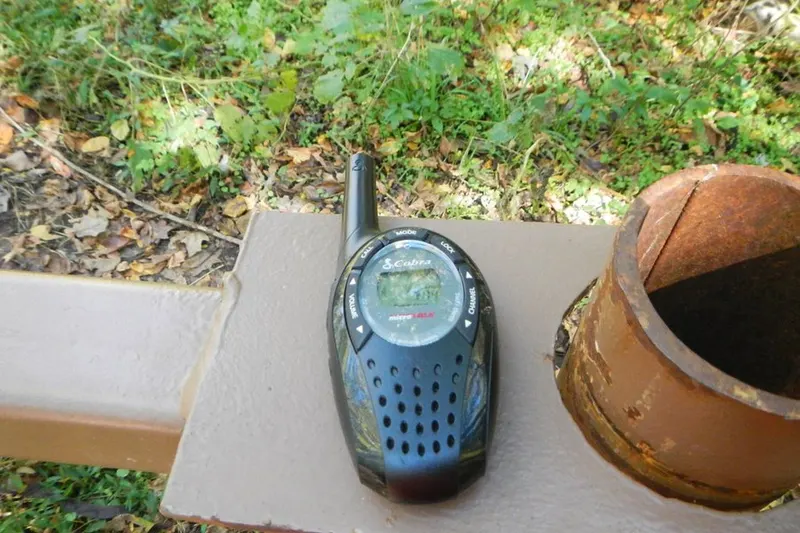 Communication EquipmentDMR handhelds, repeaters and antennas for camps beyond coverage.Ask for options