
Equipment for Anti-Poaching & Patrol
Night detection, identification and communication for patrol teams working beyond mobile coverage — thermal, digital night vision, DMR radios and patrol equipment.
What the work needs
Seeing, and being able to talk, after dark
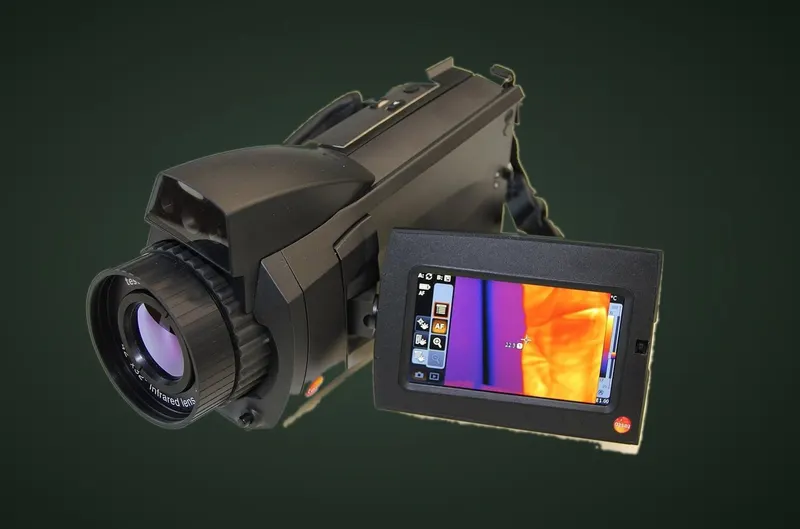
Thermal detects and night vision identifies. Most teams need both, and the mistake we see most often is buying one thermal monocular for a whole beat when three cheaper units across the patrol would have covered more ground. Detection range on a spec sheet is measured against a human-sized target in still air; expect less through vegetation.
Communication is the part that gets underspecified. A DMR handheld is useless without a repeater sited where the terrain actually allows it, and both need a WPC frequency allocation. We walk you through that licensing rather than shipping radios and leaving it with you.
Patrol equipment is unglamorous and decides whether the rest gets used: a pack that carries a radio and a thermal without either being buried, a headlamp with a red mode, and a first-aid kit somebody has actually opened.
Supplied for this work
The 4 categories this work keeps coming back to
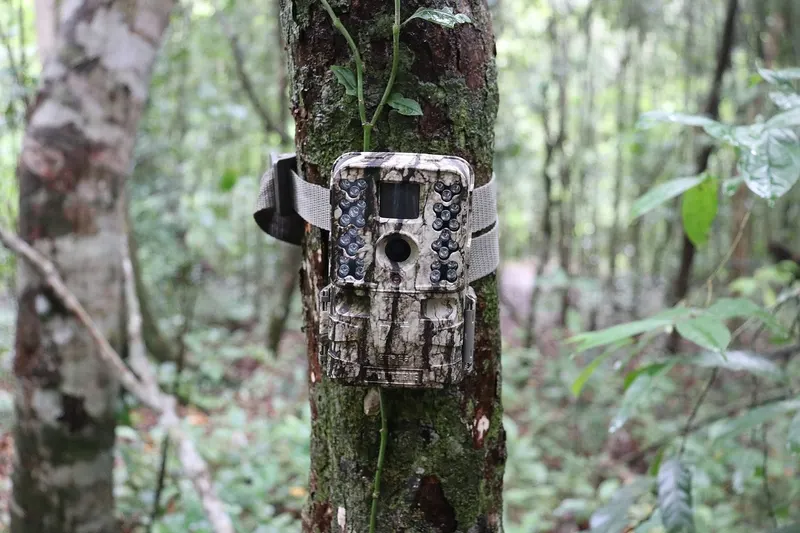 Camera Traps & Trail CamerasNo-glow and infrared camera traps, housings and cellular units for monitoring.Ask for options
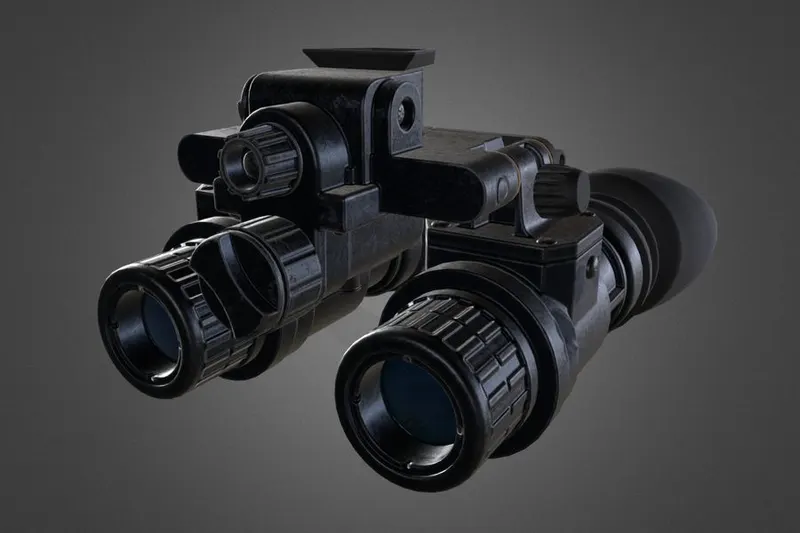 Night Vision & Imaging CamerasNight vision monoculars, binoculars and goggles, digital day-night devices and infrared illuminators.Ask for options
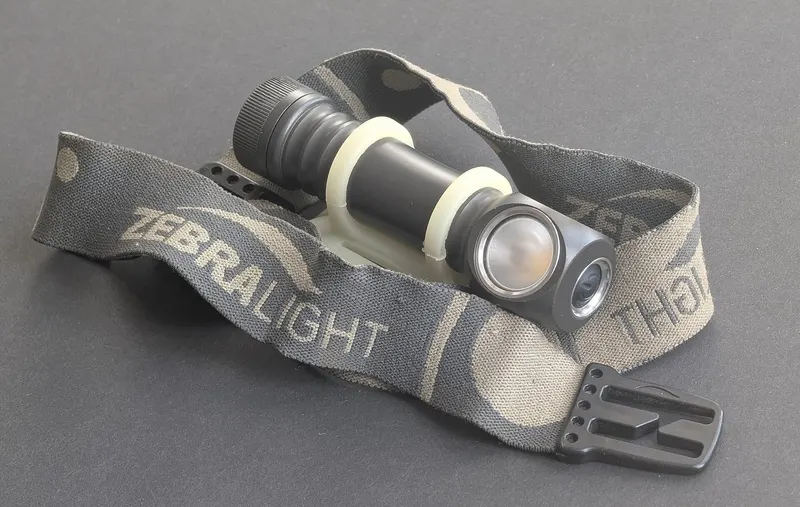 Safety & Tactical EquipmentPatrol gear, protection and field safety equipment.Ask for options
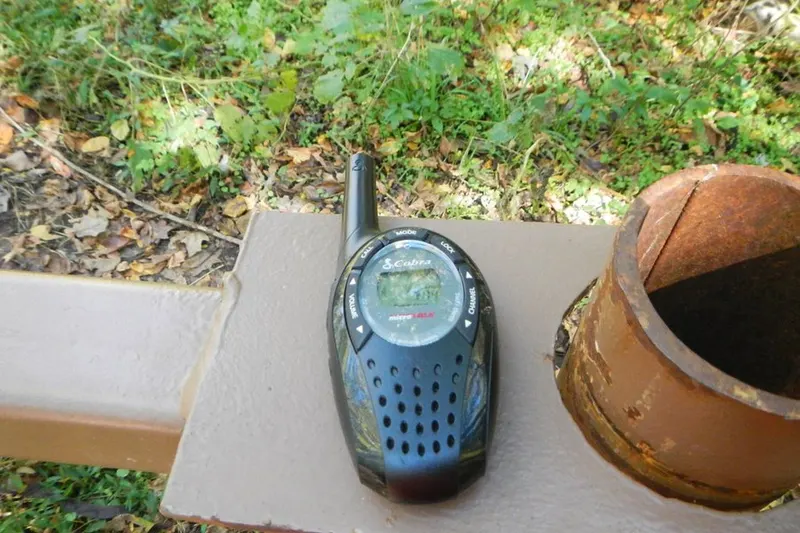 Communication EquipmentDMR handhelds, repeaters and antennas for camps beyond coverage.Ask for options