
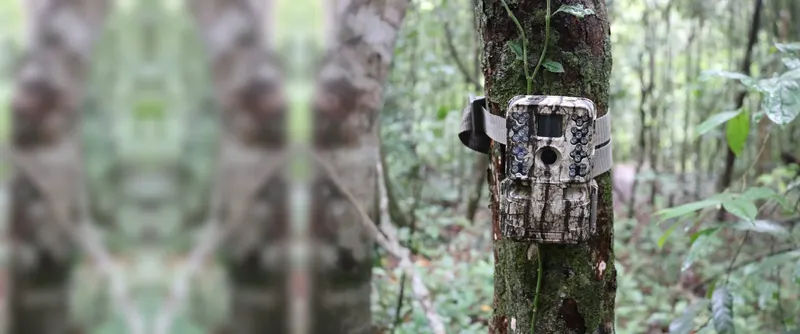
Equipment for Wildlife & Conservation
Population estimation, occupancy surveys, camera-trap grids and long observation sessions — equipment for conservation organisations, tiger reserves and wildlife divisions.
What the work needs
Instruments that do not disturb what they are measuring
Conservation work has a constraint most field equipment is not designed around: the instrument must not change the behaviour it is recording. That is why no-glow infrared is the default for camera traps here rather than the cheaper white-flash units, and why a quiet shutter and a long detection range matter more than headline megapixels.
A camera-trap grid is a logistics problem as much as an equipment one. Trigger speed and detection zone decide how many captures you get; battery chemistry and card size decide how often somebody walks the grid. We will tell you what a season actually costs to run before you commit to a layout.
For direct observation, an 8×42 that can be held steady all day beats a 12×50 that cannot. Where identification at distance genuinely matters, a spotting scope on a tripod is the honest answer rather than a heavier binocular.
Supplied for this work
The 4 categories this work keeps coming back to
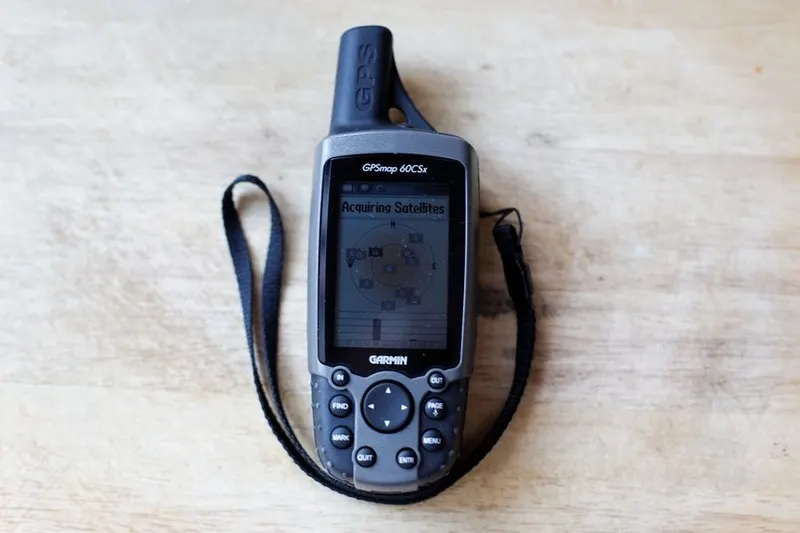 Handheld GPS & NavigationGNSS handhelds, mapping receivers and field data collectors for survey and patrol.Ask for options
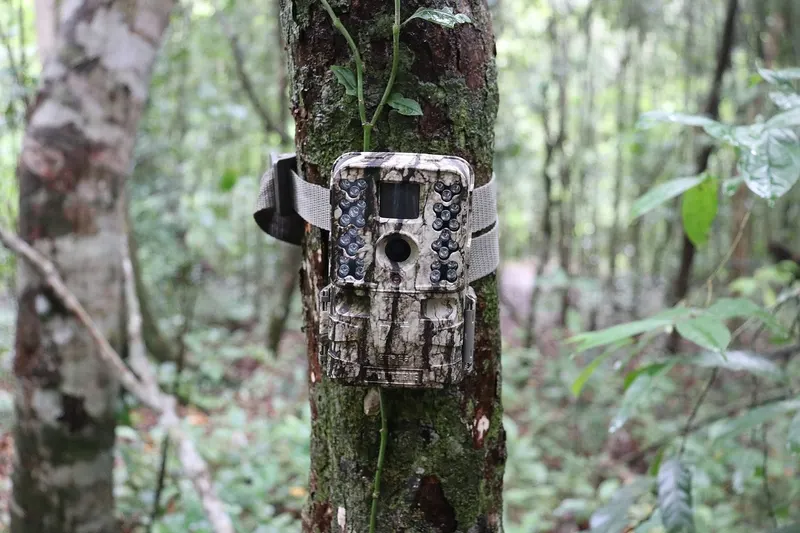 Camera Traps & Trail CamerasNo-glow and infrared camera traps, housings and cellular units for monitoring.Ask for options
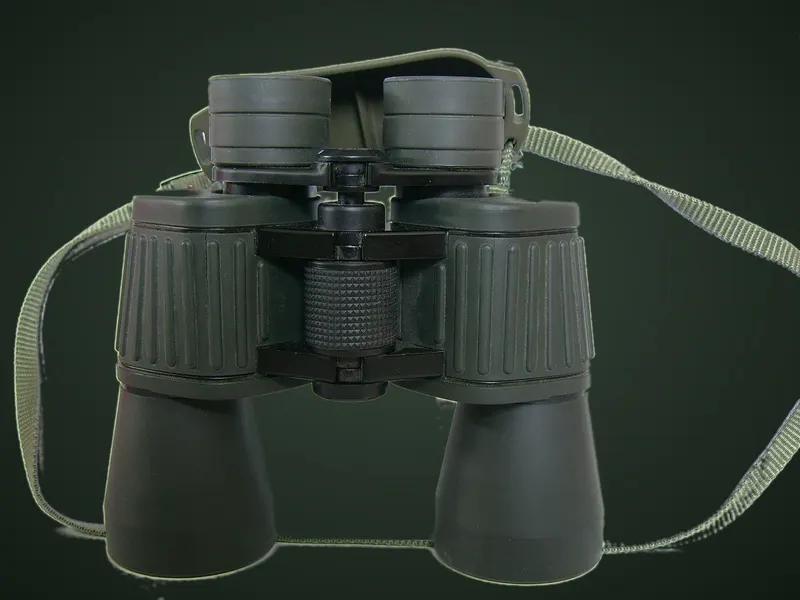 Binoculars & OpticsBinoculars, monoculars, spotting scopes and tripods for observation and census.Ask for options
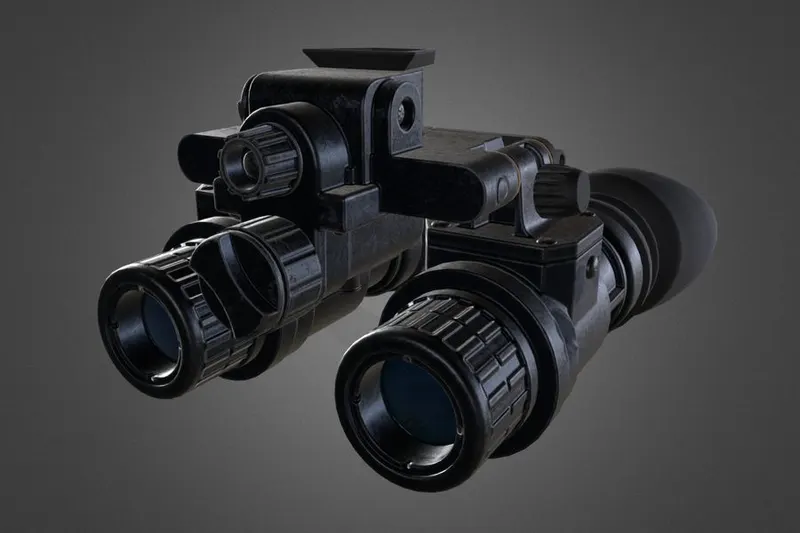 Night Vision & Imaging CamerasNight vision monoculars, binoculars and goggles, digital day-night devices and infrared illuminators.Ask for options